

A Nigerian business owner does not need to become a software engineer before using AI. The real opportunity is simpler: learn how to use AI to think clearly, serve customers faster, create better content, plan smarter campaigns, organise business operations, and make better decisions with the information you already have. AI Skills for Business Owners is a must in 2026.
For many small businesses in Nigeria, the day is already full. You are replying WhatsApp messages, posting on Instagram, chasing payments, managing staff, checking stock, writing proposals, explaining prices, following up with customers, and trying to make sales. If AI is used well, it can reduce some of that pressure. It can become a thinking partner, writing assistant, research assistant, content assistant, customer service assistant, and planning assistant.

The problem is that many people are using AI casually. They ask one weak question, copy the first answer, and wonder why the result sounds flat. Business owners need a better approach. You need to know what to ask, what information to provide, how to review the answer, and how to turn the output into something useful for your business.
This guide explains the most useful AI skills for Nigerian business owners in 2026, with practical examples for small businesses, creators, consultants, schools, agencies, shops, service providers, churches, real estate brands, and training companies.
What Are AI Skills for Business Owners?
AI skills are the practical abilities that help you use artificial intelligence tools to improve business work. These skills are not only about knowing the names of tools. They include how to brief AI, how to ask better questions, how to check the output, how to protect customer information, and how to use AI to support real business goals.
For a Nigerian business owner, AI skills can help with:
- Writing better captions, sales messages, proposals, emails, and adverts.
- Planning content for Instagram, TikTok, YouTube, LinkedIn, WhatsApp, and websites.
- Responding to customer enquiries faster without sounding careless.
- Researching competitors, customer pain points, pricing, and market trends.
- Creating standard operating procedures for staff.
- Turning rough ideas into campaigns, offers, scripts, and business documents.
- Summarising meeting notes, customer feedback, and reports.
- Improving productivity without hiring a large team immediately.
Google, Microsoft, and other major technology companies now publish guidance for small businesses using AI. For example, Google Workspace explains how small businesses can use AI for productivity, content, and customer support, while Microsoft discusses practical AI use for small business tasks.
Why Nigerian Business Owners Should Learn AI Now
AI is not a future topic anymore. It is already entering daily business work. Some competitors are using it to write faster, plan better content, prepare cleaner proposals, respond quicker, analyse customer feedback, and test more marketing ideas.
This does not mean AI will magically fix a weak business. If your offer is unclear, your pricing is poor, your customer service is bad, or your product does not solve a real problem, AI will not hide that for long. But if you already have a useful product or service, AI can help you communicate it better and run parts of the business more efficiently.
Nigeria has also shown growing national interest in artificial intelligence. The National Information Technology Development Agency has been involved in national conversations around AI, digital innovation, and technology adoption. For business owners, the practical message is clear: digital skills are becoming part of serious business survival.
1. Prompting: Knowing How to Ask AI Better Questions
Prompting is the skill of giving AI clear instructions. It is one of the first AI skills every business owner should learn. The quality of your prompt affects the quality of the answer you get.
A weak prompt sounds like this:
Write a caption for my business.
A stronger prompt sounds like this:
Write 5 Instagram captions for a Lagos-based fashion brand selling ready-to-wear outfits for young working women. The tone should be confident, stylish, and friendly. Include one soft call-to-action to send a WhatsApp message. Avoid sounding too salesy.
The second prompt gives context. It tells AI the business type, location, audience, tone, platform, product, and action you want the customer to take. That is why the result will likely be better.
What to include in a good prompt
- Your business type.
- Your target audience.
- Your location or market.
- Your goal.
- Your tone of voice.
- The format you want.
- Any limits, such as word count or platform style.
This is one reason AI Literacy for Work and Business is created to provide AI Skills for Business Owners. Business owners do not just need tool names. They need to learn how to think, brief, review, and apply AI outputs.
2. Customer Research and Customer Avatar Building
Many business owners do not have a clear picture of their ideal customer. They say, “Everybody can buy from me.” In reality, a business grows faster when it understands who it is speaking to.

AI can help you think through your customer avatar. You can use it to explore customer fears, desires, objections, buying triggers, common questions, and reasons people delay buying.
Example prompt for customer research
I run a small photography studio in Lagos. My best customers are families, corporate professionals, and small business owners who need portraits and brand photos. Create 3 customer avatars. For each one, list their goals, fears, objections, what they care about before booking, and what message will make them trust us.
This does not replace real customer conversations, but it helps you start thinking more clearly. After AI gives you a draft, compare it with real customer questions from WhatsApp, Instagram DMs, phone calls, and past sales.
This skill is also useful for digital marketing, because better customer understanding leads to better ads, better content, and better offers.
3. Content Planning for Instagram, TikTok, WhatsApp, and YouTube
Many Nigerian businesses know they should post online, but they struggle with what to post. They post only when they remember, repeat the same sales flyer, or copy competitors without a proper content plan.
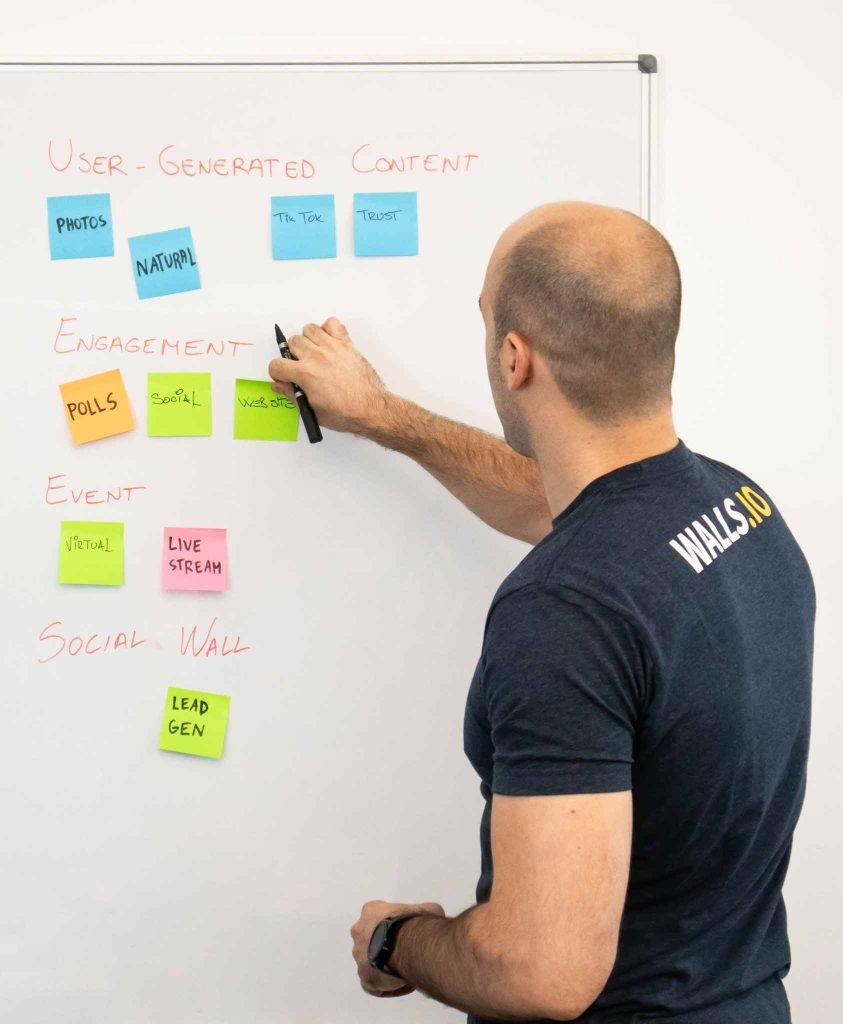
AI can help you create content pillars, monthly calendars, reel ideas, caption angles, WhatsApp broadcast messages, YouTube topics, and campaign themes.
AI can help you plan content, but your brand voice and real customer insight must guide the final message.
Example prompt for content planning
Create a 30-day content calendar for a Nigerian skincare business selling to women aged 22 to 40. Include educational posts, customer trust posts, product posts, behind-the-scenes posts, and sales posts. Suggest captions, reel ideas, and WhatsApp status ideas.
After AI gives you ideas, do not publish everything blindly. Adjust the language. Add your real product names. Use your own customer stories. Replace generic examples with your actual offers.
If your business depends heavily on video, combine this with practical content creation training so you can turn AI ideas into actual videos, reels, product demos, and customer education content.
4. Sales Copywriting and Offer Development
One of the most useful AI skills for business owners is using AI to improve the way you sell. A lot of small businesses have good products but weak messages. They say what they sell, but they do not explain why the customer should care.
AI Skills for Business Owners is important here to guide you on how to get AI can help you write stronger headlines, product descriptions, landing page copy, WhatsApp broadcast messages, sales emails, ad copy, and offer breakdowns.
Weak message
We sell quality cakes. Order now.
Stronger message
Need a birthday cake that looks beautiful, tastes rich, and arrives on time? Send us your date, theme, and budget, and we will help you plan the perfect cake for your celebration.
The stronger message speaks to the customer’s real concern: beauty, taste, timing, budget, and ease.
Example prompt for offer development
I run a Lagos-based cake business. Create 3 offer packages for birthday cakes: budget, premium, and luxury. For each package, suggest what should be included, how to describe it, and what type of customer it is best for.
This type of prompting helps you move from “I sell cakes” to clear offers customers can understand.
5. Customer Service and WhatsApp Reply Systems
WhatsApp is one of the most important sales channels for many Nigerian businesses. Customers ask for price, location, delivery, account details, availability, discounts, and delivery time. If replies are slow or confusing, sales can be lost.

AI can help you create reply templates that sound polite, clear, and human. You can prepare responses for common questions and train staff to use them properly.
Useful WhatsApp reply templates AI can help with
- Price enquiry replies.
- Delivery information.
- Payment confirmation.
- Out-of-stock messages.
- Follow-up messages.
- After-sale care.
- Complaint handling.
A good AI-generated reply should still sound like your brand. Do not make customers feel they are speaking to a cold robot. Edit the message so it sounds warm and natural.
6. Proposal, Invoice, and Business Document Drafting
Many business owners lose opportunities because their documents are poorly written. A client asks for a proposal, and the business sends a rough message. A company asks for a quotation, and the response looks unprofessional.

AI can help you draft cleaner proposals, quotations, service descriptions, company profiles, pitch documents, policy documents, onboarding emails, and training outlines.
Example prompt for proposal writing
Write a professional proposal for a digital marketing service for a Lagos restaurant. The proposal should include objectives, scope of work, deliverables, timeline, reporting, and next steps. Keep the tone professional but easy to understand.
You should still check every detail. AI may invent timelines, prices, or promises if you do not guide it properly. Always review before sending.
7. Market Research and Competitor Analysis
Business owners often make decisions based on assumptions. AI can help you organise research questions, compare competitors, study customer objections, and identify gaps in your market.

For example, if you run a training business, you can ask AI to help compare course positioning, pricing models, content formats, and customer concerns. If you run a real estate brand, you can use AI to brainstorm buyer questions, location concerns, and content angles for property marketing.
Example prompt for competitor analysis
I run a small event photography business in Lagos. Create a competitor research checklist. Include what to check on their Instagram page, website, pricing, portfolio, customer reviews, packages, and brand positioning.
AI will not replace real research, but it can give you a framework so you know what to look for.
8. Ad Campaign Planning
Running ads without a plan is one reason many small businesses waste money. AI can help you think through campaign goals, audience segments, ad angles, landing page copy, lead magnets, and follow-up messages.

Example prompt for ad planning
Create 5 Meta ad angles for a Nigerian online course that teaches video editing. The target audience is young creatives aged 18 to 35 who want to earn from editing videos. Include headline ideas, pain points, benefits, and call-to-action options.
AI can give you starting ideas, but you still need proper tracking, audience testing, creative testing, and campaign measurement. This is why AI works best when paired with real digital marketing skill.
9. SOPs and Staff Training
If you have staff, AI can help you document how work should be done. This is important because many small businesses depend too much on verbal instructions. When one staff member leaves, knowledge disappears.

SOP means standard operating procedure. It is a written step-by-step guide for doing a task. AI can help you create first drafts of SOPs for customer service, stock management, social media posting, delivery process, client onboarding, payment confirmation, and complaint handling.
Example prompt for SOP creation
Create a simple SOP for handling customer orders on WhatsApp for a small fashion business. Include greeting, confirming product availability, collecting delivery details, sending payment information, confirming payment, and follow-up after delivery.
Once AI creates the draft, edit it to match your exact process.
10. Data Analysis and Business Decision Support
You do not need to be a data scientist before using AI for basic business analysis. If you keep records of sales, expenses, customer enquiries, best-selling products, campaign results, or customer complaints, AI can help you summarise patterns and ask better questions.

For example, you can paste a cleaned-up list of customer feedback and ask AI to group the complaints by theme. You can ask it to turn survey responses into insights. You can ask it to suggest questions you should ask before making a pricing decision.
Be careful with sensitive information. Do not paste private customer data, passwords, account information, confidential contracts, or sensitive business records into public AI tools unless you understand the privacy settings and risks.
11. AI for Video, Images, and Creative Direction
AI can help business owners create content ideas, mood boards, shot lists, image prompts, video scripts, campaign concepts, and creative briefs. This is useful for brands that work with photographers, videographers, designers, content creators, or agencies.
For example, instead of telling a videographer “just shoot something nice,” you can use AI to help create a clearer brief:
Create a video brief for a 45-second Instagram reel promoting a new salon in Lekki. Include opening shot, customer problem, service highlights, beauty shots, testimonial moment, call-to-action, and suggested caption.
This makes collaboration easier. The creative professional still brings taste, camera skill, editing, lighting, and direction, but you arrive with a clearer idea.
If you want to create your own business videos, pair AI planning with video editing training, cinematography training, or content creation training.
12. AI Safety, Accuracy, and Business Judgment
AI is useful, but it is not always correct. It can sound confident and still be wrong. This is why business owners must learn how to review AI outputs.

Before using AI output, check:
- Is the information accurate?
- Does it match your business and market?
- Does it sound like your brand?
- Does it make promises you cannot keep?
- Does it expose customer or business information?
- Does it need legal, financial, medical, or professional review?
AI should support your thinking, not replace your judgment.
Best AI Tools Nigerian Business Owners Can Start With
The best tool depends on the task, but many business owners can start with a simple stack:
- ChatGPT or Gemini: For writing, planning, research, ideas, and summaries.
- Canva AI tools: For design ideas, presentations, flyers, and simple brand content.
- Google Workspace or Microsoft 365 AI features: For documents, emails, meetings, and productivity.
- CapCut or video AI tools: For subtitles, short video edits, and content repurposing.
- Notion or similar tools: For organising ideas, SOPs, content plans, and business notes.
Do not chase every new tool. Start with the tasks that waste your time every week, then choose AI tools that help with those tasks.
A Simple AI Workflow for Nigerian Business Owners
- Identify the business task. Example: write captions, prepare a proposal, respond to customers, plan ads, or create SOPs.
- Give AI context. Explain your business, audience, offer, location, goal, and tone.
- Ask for a structured output. Request a table, list, calendar, message, script, outline, or checklist.
- Review and edit. Correct facts, remove generic lines, and add your real examples.
- Apply it. Use the output in your content, customer service, campaign, proposal, or internal process.
- Measure the result. Check whether it saved time, improved clarity, increased response, or helped sales.
Common AI Mistakes Business Owners Should Avoid
- Copying AI output word for word. This often makes your brand sound generic.
- Giving AI no context. Weak prompts produce weak answers.
- Using AI to replace customer conversations. Real customer feedback is still important.
- Sharing sensitive information carelessly. Protect customer and business data.
- Expecting AI to fix a weak offer. AI can improve communication, but the business still needs real value.
- Ignoring measurement. If AI helps you create content or campaigns, track whether the result works.
Frequently Asked Questions

What AI skills should a Nigerian business owner learn first?
Start with prompting, customer research, content planning, sales copywriting, customer service replies, proposal writing, and simple business analysis. These skills apply to many types of businesses.
Can AI help my small business make more sales?
AI can help you write clearer messages, plan better content, create stronger offers, follow up with customers, and improve campaigns. It does not guarantee sales, but it can improve the work that supports sales.
Do I need to pay for AI tools?
You can start with free or low-cost AI tools, but paid versions may offer better features, speed, privacy options, or integrations. Start with your business needs before paying for tools.
Can AI replace my staff?
AI is better seen as support for your team. It can help staff write faster, organise work, respond better, and reduce repetitive tasks, but human judgment, relationship, creativity, and accountability are still important.
Where can business owners learn AI in Lagos?
Business owners can learn practical AI at Praxis Digital Academy’s AI Literacy for Work and Business course. The course focuses on practical use cases for business, productivity, marketing, content, and creative work.
Final Thoughts
AI is not just for tech companies. It is becoming useful for everyday business work: writing, planning, customer service, marketing, content, proposals, training, and decision support.
The Nigerian business owners who will benefit most are not the ones who chase every new tool. They are the ones who learn how to ask better questions, understand their customers, improve their message, protect their data, and apply AI to real business problems.
Learn practical AI skills for your business
Praxis Digital Academy helps business owners, creators, staff, and professionals learn how to use AI for content, marketing, productivity, customer communication, business documents, and everyday work.
Explore the AI Literacy for Work and Business course or request corporate AI training for your team.