
Cinematography Training in Lagos
Learn lighting, composition and the cinematic film look.
Build the visual language of film: camera placement, lenses, exposure, movement, blocking, lighting setups, mood, color and continuity for cinematic storytelling.

Camera, light and visual story
Lighting for film, composition, lenses, exposure, movement, blocking, continuity and the cinematic look.
Visual Storytelling
Cinematography is not just camera operation.
Cinematography is the craft of translating story, emotion and character into images. It includes how a shot is framed, how the light falls, how the camera moves, what lens is used and how the audience experiences the world of the film.
This cinematography training in Lagos is built for students who want to understand the image-making side of film production. It focuses on lighting for film, composition, camera language, lens choice, exposure, blocking, visual continuity and creating a consistent film look.
Students will learn why a close-up feels intimate, why a wide lens can create energy, how shadows create mood, how color temperature changes emotion and how coverage helps the editor shape a scene.
If you want the complete production path, this course fits naturally inside broader film production training, while still letting you focus on camera, light and visual storytelling.
The goal is to help you stop shooting randomly and start making deliberate visual decisions that serve story, performance and audience attention.
What You Will Learn
Cinematography skills for practical film scenes.
- Understand camera language, shot sizes, camera angles, screen direction and how visual choices shape story.
- Control exposure, aperture, shutter, ISO, white balance, dynamic range and picture profiles for cinematic footage.
- Choose lenses, focal lengths and depth of field to create mood, perspective and visual emphasis.
- Light scenes with three-point lighting, motivated light, contrast, color temperature, practicals and natural light.
- Plan blocking, camera movement, coverage and continuity so scenes cut together with a polished film look.
Full Course Curriculum
A detailed cinematography and lighting path.
Camera language, exposure, lenses, composition, film lighting, movement, blocking, continuity, color and the cinematic look.
Camera Language for Film
Cinematography starts with visual language. Students learn how shot size, camera angle, lens perspective, movement and framing tell the audience what to feel and where to look.
Shot Sizes and Coverage
Understand wide shots, medium shots, close-ups, inserts, cutaways and how coverage supports editing.
Camera Angles and Point of View
Use high angles, low angles, eye-level framing, over-the-shoulder shots and subjective camera choices.
Screen Direction
Learn axis, eyelines, left-to-right movement and how to keep geography clear inside a scene.
Visual Story Priorities
Decide what the audience should notice first and how camera placement supports story information.
Coverage for Dialogue Scenes
Plan master shots, singles, reverses, two-shots and inserts so dialogue scenes cut smoothly.
Exposure and Camera Settings
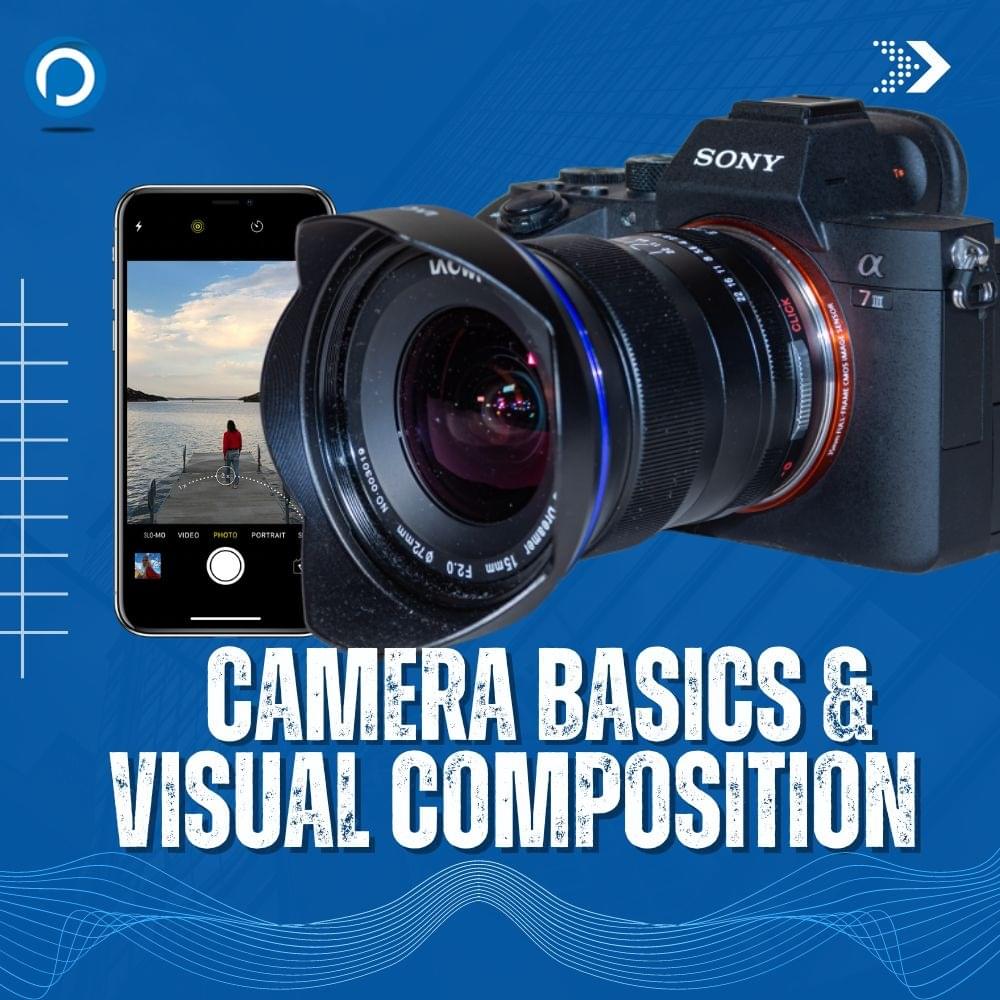
The cinematic image depends on technical control. This module teaches how to expose footage properly and use camera settings deliberately for film, commercials and online video.
Exposure Triangle for Video
Use aperture, shutter speed and ISO to control brightness, motion blur and image quality.
Frame Rate and Shutter Angle
Understand 24fps, 25fps, 30fps, slow motion and the 180-degree shutter rule.
White Balance and Color Temperature
Set white balance and use Kelvin values to control mood, warmth and color consistency.
Dynamic Range and Picture Profiles
Learn log, flat profiles, highlights, shadows and why dynamic range matters for grading.
Monitoring Exposure
Use zebras, histograms, false color and waveform thinking to avoid underexposed or clipped footage, especially when working with cameras like the Blackmagic Pocket Cinema Camera.

Lenses and Depth of Field
Lenses shape how the audience experiences space, emotion and character. Learn focal length, depth of field, perspective and lens choice for cinematic storytelling.
Focal Length and Perspective
Compare wide, normal and telephoto lenses and how each changes space, faces and background compression across camera systems from brands such as Canon and Nikon.
Depth of Field
Control subject separation, background blur and focus using aperture, lens choice and camera distance.
Lens Choice for Emotion
Choose lenses that support intimacy, tension, scale, beauty, comedy or realism.
Focus Pulling
Practice manual focus, rack focus and keeping moving subjects sharp during a take.
Lens Continuity
Maintain consistent perspective and style across multiple shots in the same scene.

Rules of Composition
Composition is how cinematographers organise the frame. This module teaches balance, contrast, lines, depth, negative space and visual hierarchy for stronger images.
Rule of Thirds and Balance
Use frame placement to create pleasing, tense or purposeful compositions.
Leading Lines and Shapes
Guide the viewer’s eye using architecture, props, shadows, light and movement.
Depth and Layering
Use foreground, midground and background to create cinematic depth.
Headroom and Look Room
Frame faces and bodies cleanly while respecting movement and eyelines.
Negative Space
Use empty space to communicate isolation, tension, calm or scale.

Lighting for Film
Lighting is one of the biggest differences between ordinary video and cinematic images. Students learn how to shape light, shadow, mood and texture for film scenes.
Three-Point Lighting
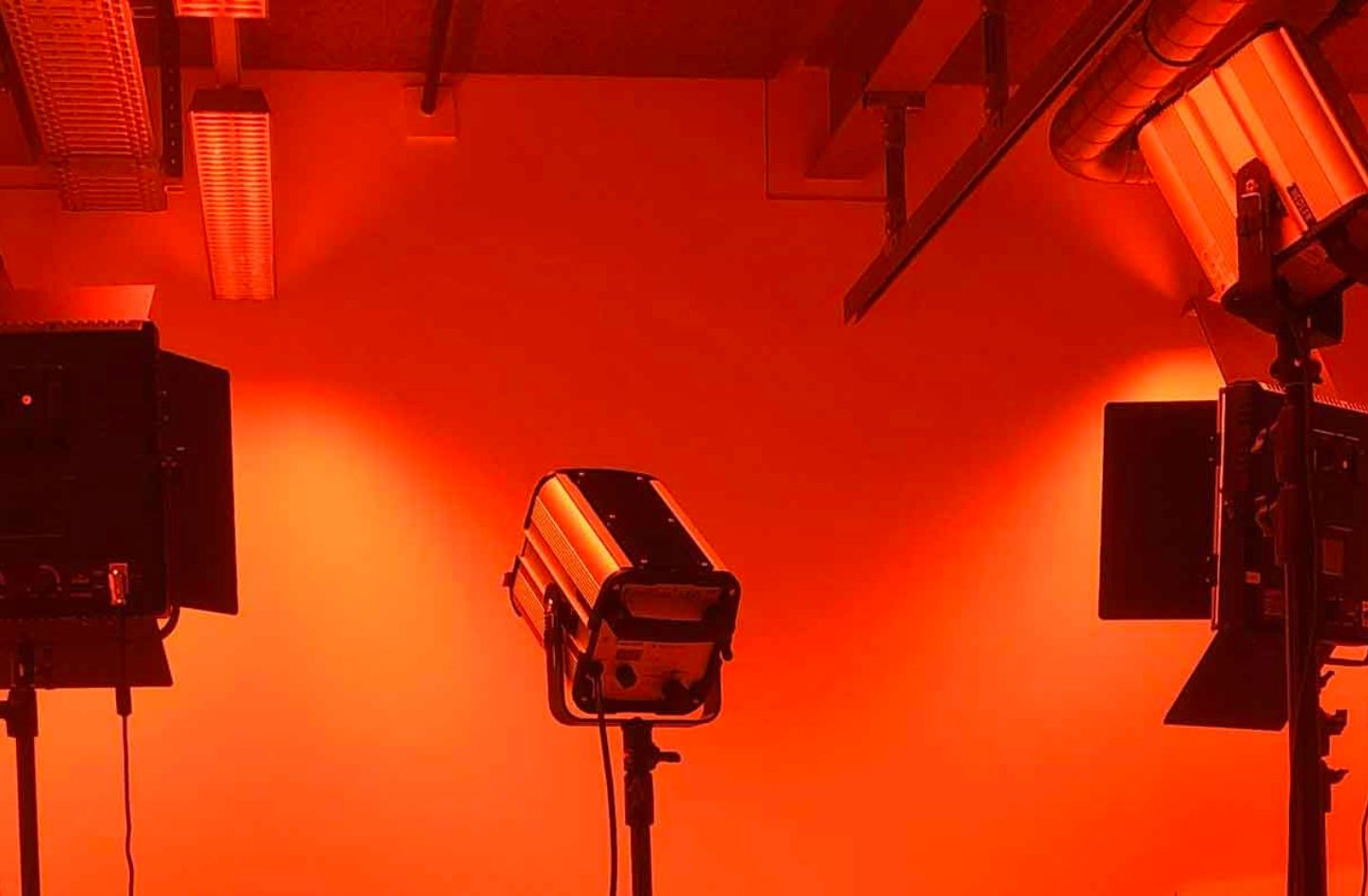
Set key light, fill light and back light, then modify each to create different moods.
Motivated Lighting
Make light feel like it comes from believable sources such as windows, lamps, screens and practicals.
Hard Light and Soft Light
Understand diffusion, contrast, shadow edge and when to use hard or soft light.
Lighting Ratios and Contrast
Control drama, beauty, realism and suspense through contrast between light and shadow.
Color Temperature and Gels
Use warm, cool and mixed lighting to create mood, time of day and visual style.
Lighting for Dark Skin
Practice exposure, contrast and highlight control for richer skin tone representation on camera.
Camera Movement and Grip
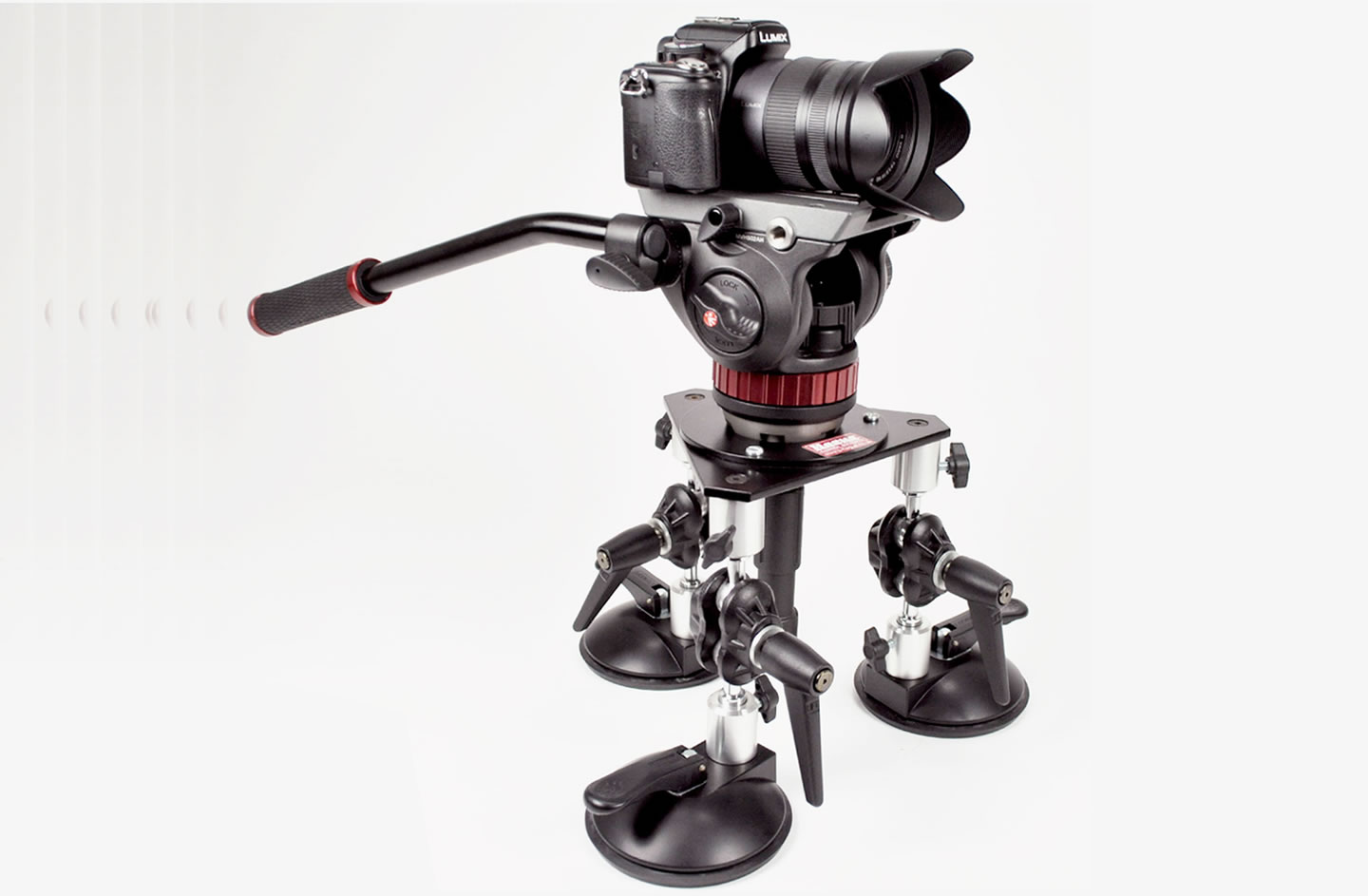
Camera movement should support the story. This module teaches how to use handheld, tripod, slider, gimbal and vehicle movement without making the frame feel random.
Static vs Moving Camera
Know when to keep the camera still and when movement helps reveal story, emotion or space.
Handheld Movement
Use handheld camera work deliberately for energy, urgency, realism or instability.
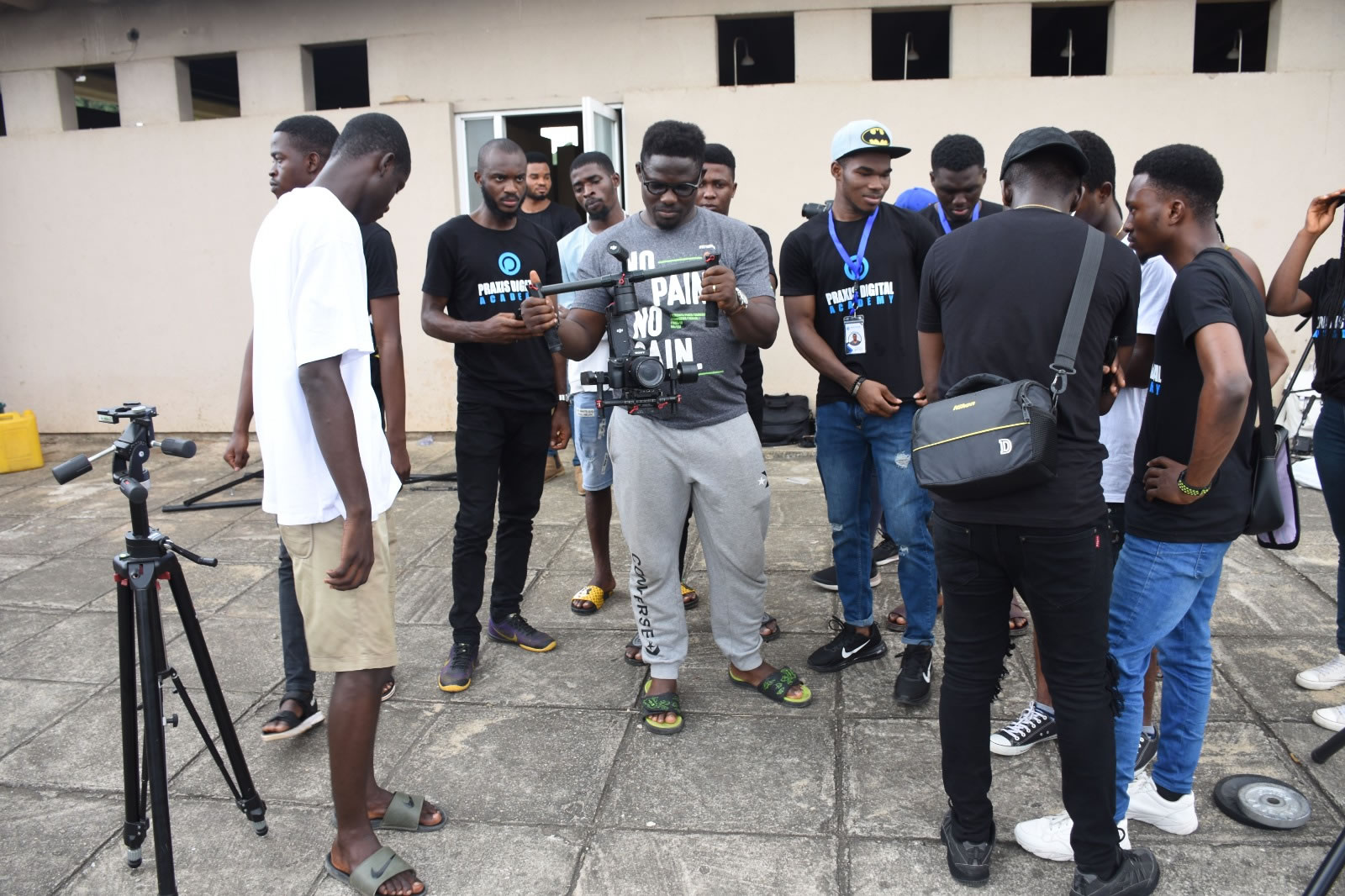
Gimbal and Tracking Shots
Create smooth walk-and-talks, follows, reveals and transitions.
Tripod, Slider and Push-In
Use controlled camera movement for emphasis, suspense and elegance.
Movement Safety and Rehearsal
Plan movement with actors, focus, marks, obstacles and crew communication.
Blocking and Visual Continuity
Cinematography is tied to actor movement and scene geography. Learn how blocking, coverage and continuity help scenes feel intentional and editable.
Blocking Actors for Camera
Place actors in relation to camera, light, background and emotional story beats.
The 180-Degree Rule
Maintain screen direction and avoid confusing cuts during dialogue and action.
Continuity of Action
Match gestures, movement, props, eyelines and pacing across multiple takes.
Scene Coverage Plan
Plan the minimum shots needed to make a scene work in the edit.
Working with Directors
Translate story intention into camera, lighting and blocking decisions.
Color, Mood and the Film Look
The film look is a combination of lighting, lensing, exposure, color, texture, movement and production design. This module helps students understand how those choices work together.
Color Palette for Scenes
Plan dominant colors, contrast colors and wardrobe/background choices that support the story.
Contrast and Texture
Use light, shadow, haze, practicals, background detail and camera settings to create visual texture.
Shooting for Color Grade
Expose and white-balance footage so it gives the editor or colorist enough room to grade.
Day, Night and Low-Light Looks
Create believable daylight, night, interior and low-light scenes without losing control of the image.
Matching Shots
Keep color, exposure and contrast consistent across wide shots, close-ups and inserts.
Practical Projects
Practice cinematography through scene-based exercises.
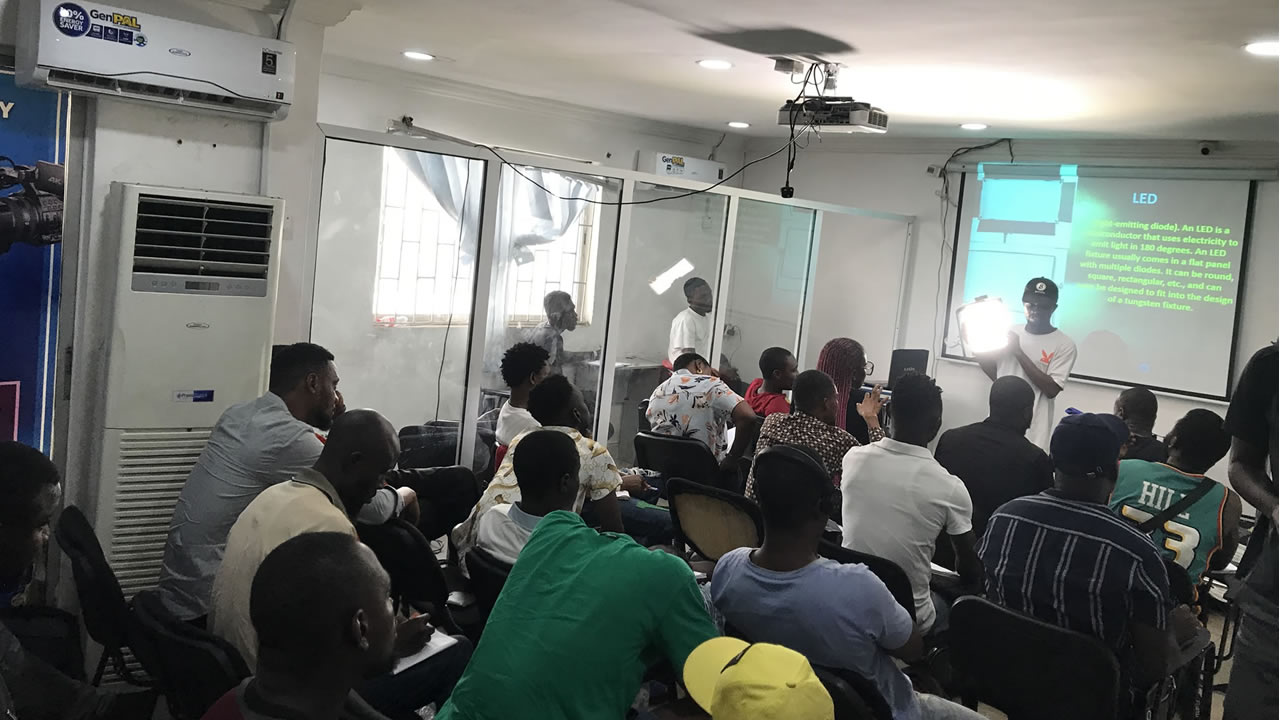
Students work through visual exercises that connect camera, lighting, movement and composition to story.
Dialogue Scene Lighting
Light and shoot a short dialogue scene using motivated lighting, coverage, eyelines and continuity.
Cinematic Composition Exercise
Create frames that use depth, leading lines, negative space, balance and visual hierarchy.
Camera Movement Scene
Plan and execute movement that reveals story information without distracting from performance.

Film Look Test
Shoot a visual test using lens choice, lighting contrast, color palette and exposure for a specific mood. Students who want aerial mood shots can connect this with drone piloting training.
Course Questions
Cinematography training FAQs.
Useful answers for students comparing cinematography courses, film lighting classes and camera training in Lagos.
Is this cinematography training different from filmmaking?
Yes. This course focuses specifically on cinematography: camera language, lighting for film, composition, lenses, exposure, movement, blocking, continuity and creating the cinematic look. Students who want the full script-to-screen pathway can start with the broader film school in Lagos.
Will I learn lighting for film?
Yes. Students learn three-point lighting, motivated lighting, hard and soft light, contrast, color temperature, practicals and lighting for different skin tones.
Does the course cover composition?
Yes. The curriculum covers rule of thirds, leading lines, depth, layering, headroom, look room, negative space and visual hierarchy.
Will I learn camera settings and lenses?
Yes. Students learn exposure, aperture, shutter, ISO, white balance, dynamic range, picture profiles, focal length, depth of field and focus pulling.
Can beginners join the cinematography course?
Yes. The course is designed to take students from basic camera language into practical scene lighting, composition, movement and cinematic visual storytelling.
Don't take our word for it?
Hear from our happy tribe
Watch students, alumni and industry voices talk about learning, creating and growing with Praxis Digital Academy.
Charles Inojie recommends Praxis Digital Academy
Industry Recommendation
Tony Umez recommends Praxis Studios
Industry Recommendation
My Cinematography Experience in Praxis Digital Academy
Student Experience
On Production Set - Students Review
On-set Training
My Experience at Praxis Studios
Student Review
Student review and experience at Praxis
Student Review
Next Session Begins Soon
Request Curriculum
Request the current cinematography course schedule and price.
Get the latest start date, class format and payment details for the Cinematography Course in Lagos.